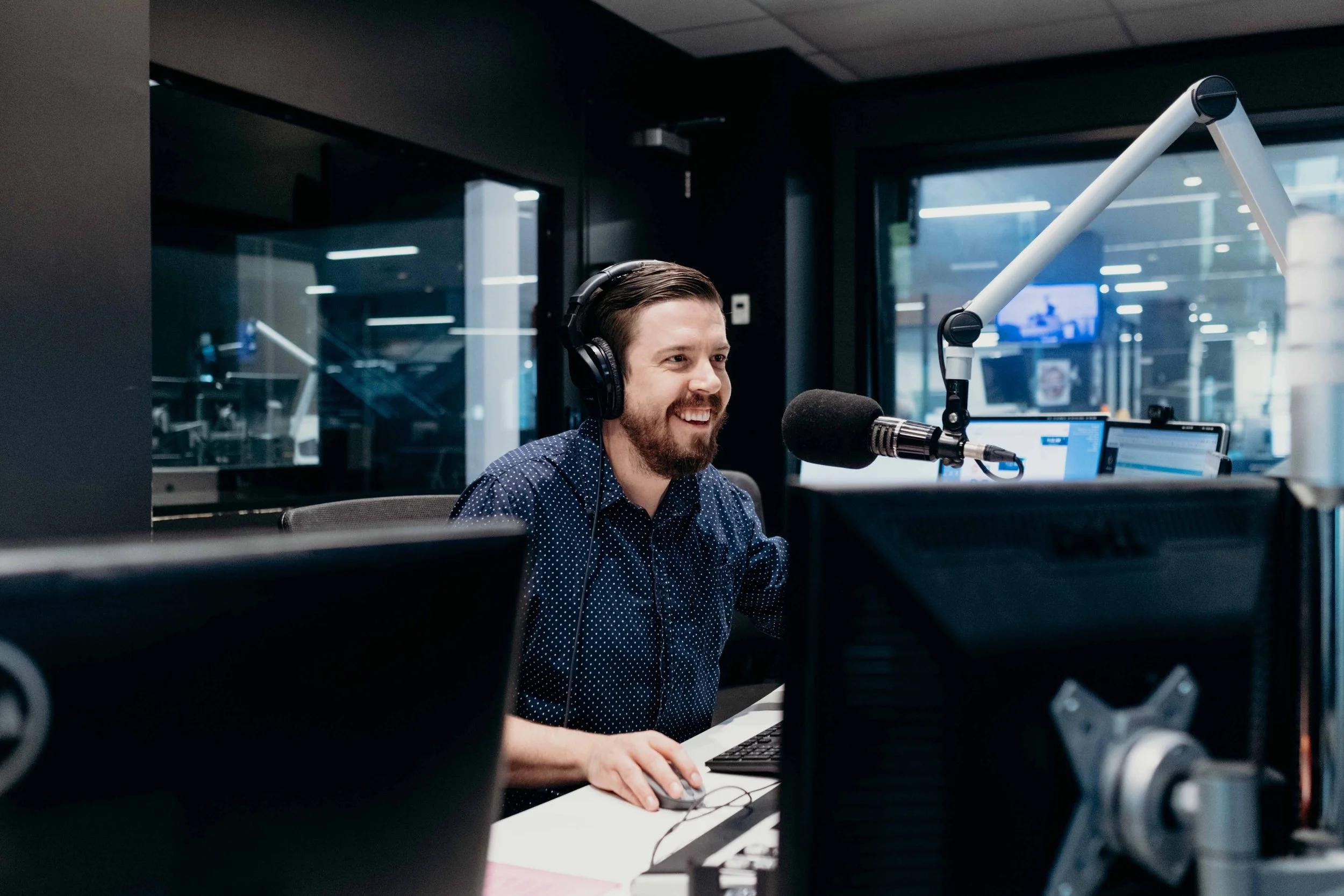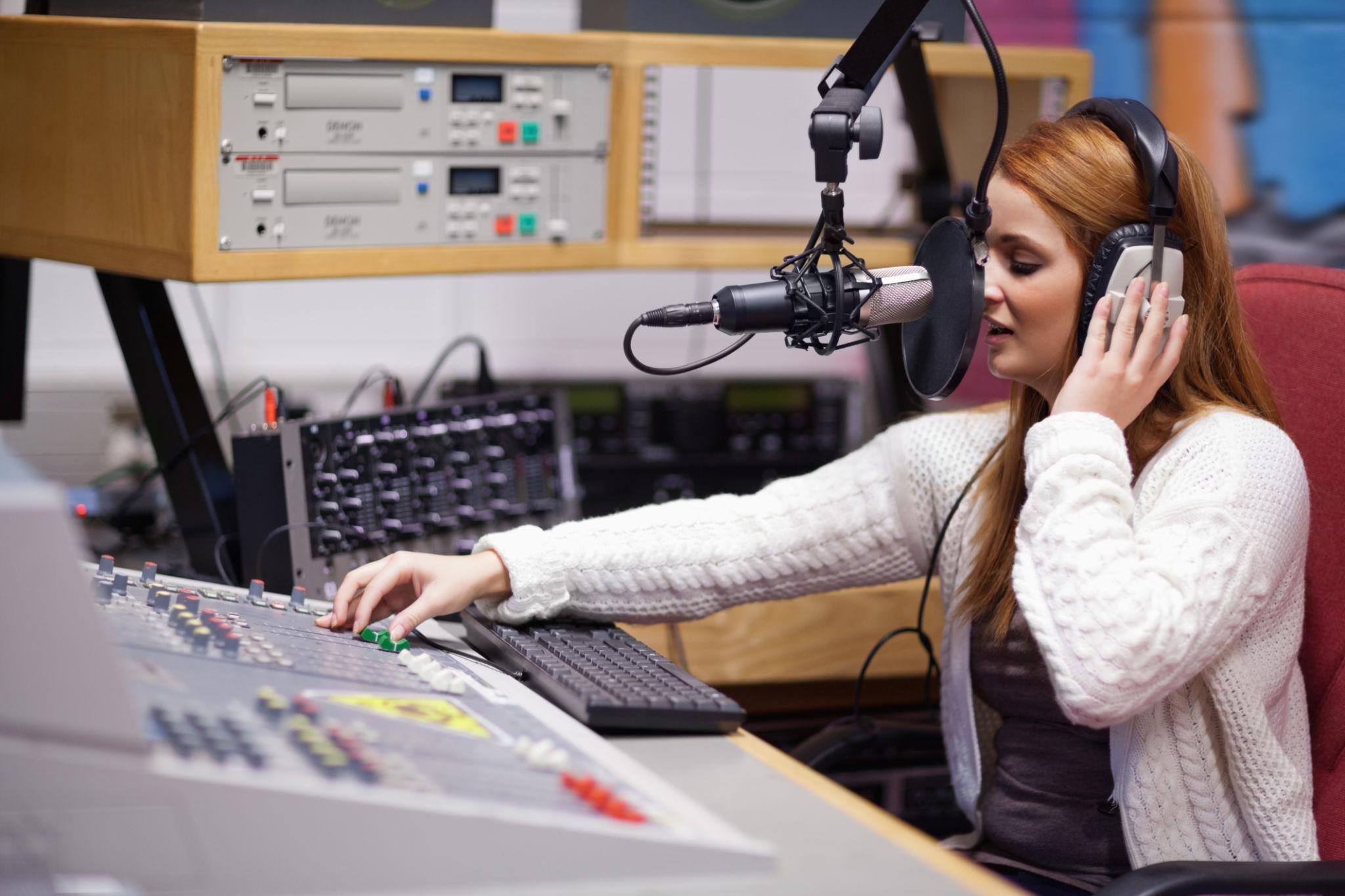
Becoming a strong radio presenter takes more than having a good voice. Great broadcasting is about communication, preparation, timing and knowing how to react when a live conversation takes an unexpected turn.
Whether you’re preparing for a career in radio, developing a podcast or simply want to become a more confident communicator, these seven skills can make a significant difference.
1. Learn to Listen Properly
One of the most important skills in broadcasting is listening.
A presenter who is thinking only about the next question can easily miss the most interesting part of an answer. Good listening allows you to recognise opportunities, ask better follow-up questions and create conversations that feel natural rather than scripted.
2. Prepare Without Over-Scripting
Preparation gives you confidence, but reading from a rigid script can make a conversation sound unnatural.
Research your subject, understand the important points and prepare possible questions. Once the conversation begins, however, be prepared to change direction.
The best moments are often the ones you couldn’t have planned.
3. Develop Your Interviewing Skills
A good interview should reveal something worth hearing.
That means understanding when to ask an open question, when to challenge an answer and when to stay quiet and allow the guest to continue.
Strong interviewing is a skill that improves through preparation, practice and experience.
4. Build Confidence Behind the Microphone
Confidence doesn’t mean being loud.
Professional presenters learn how to use their voice, pace and tone to communicate authority while still sounding natural.
Recording yourself and listening back critically can help you identify habits you may never notice while speaking.
5. Know How to Handle the Unexpected
Live broadcasting rarely follows a perfect plan.
A caller might become angry. A guest might avoid your question. Technology might fail. A conversation might suddenly move into sensitive territory.
A professional broadcaster needs to remain calm, think quickly and maintain control without removing the energy that makes live radio compelling.
6. Understand Broadcasting Law
Knowing what you can and cannot safely say is an essential part of professional broadcasting.
Presenters and podcasters should understand areas such as defamation, privacy, contempt, complaints and compliance.
Creative freedom matters, but so does understanding the responsibilities that come with having an audience.
7. Develop Your Own Style
Trying to sound exactly like another presenter rarely works.
Your goal should be to develop a broadcasting style that feels natural to you while maintaining professional standards.
Your personality, curiosity and perspective are part of what gives an audience a reason to listen.
Learn Practical Broadcasting Skills
The Niall Boylan Broadcast Academy provides online broadcasting courses built around real-world experience rather than theory alone.
With focused training in interviewing, unpredictable callers, broadcasting law, professional presentation and podcasting, you can develop practical skills that apply wherever there’s a microphone and an audience.
Explore the courses and start developing your broadcasting skills today.